
Tactical gaming has always been about careful planning, teamwork, and smart decision-making. With the rise of virtual reality, tactical games have entered a new era—one where strategy is no longer confined to a flat screen, but played out in fully immersive, 360-degree environments.
Tactical Gaming VR challenges players to think, react, and coordinate in ways traditional games simply can’t match. From realistic military simulations to tabletop-style strategic adventures, VR tactical games demand both mental sharpness and physical awareness.
This article explores what defines tactical gaming in VR, the different types of tactical experiences available, and why this genre continues to grow in popularity.
What Defines Tactical Gaming in VR?
Tactical VR games emphasize strategy over reflexes. Instead of fast-paced, run-and-gun action, players are rewarded for:
- Situational awareness
- Team coordination
- Resource and role management
- Strategic positioning and timing
Virtual reality enhances these elements by placing players inside the battlefield. Every movement, glance, and decision feels immediate and consequential, making tactical gameplay more intense and immersive.
Categories of Tactical VR Games
While all tactical VR games focus on strategic thinking, they can be broadly divided into three categories based on gameplay style.
1. Hardcore Tactical Shooters (Realistic Combat)
This category represents the most traditional form of tactical VR gaming, focusing on realistic combat scenarios, teamwork, and precise execution.
Key titles include:
- Tactical Assault VR

- Onward

- Breachers

- Pavlov Shack

- Contractors

These games emphasize:
- Close-quarters battle (CQB) tactics
- Squad-based movement and communication
- Weapon handling and positioning
- Coordinated offense and defense
Players must move carefully, clear rooms methodically, and rely heavily on teammates. In VR, even small mistakes—like poor positioning or lack of communication—can quickly lead to failure.
2. Stealth-Oriented Tactical Experiences
Not all tactical VR games revolve around open combat. Some focus on stealth, patience, and information control.
Representative title:
- Phantom: Covert Ops

This type of tactical VR experience prioritizes:
- Route planning and reconnaissance
- Avoiding detection instead of engaging enemies
- Timing and environmental awareness
VR enhances stealth gameplay by making players physically lean, peek, and move with caution, creating a heightened sense of tension and realism.
3. Tabletop & Strategic Tactical Games
Tactical gaming in VR isn’t limited to first-person combat. Some titles translate classic tabletop strategy and turn-based tactics into immersive virtual environments.
Representative titles:
- Demeo

- Table of Tales: The Crooked Crown

These games focus on:
- Turn-based tactical decision-making
- Positioning characters on a miniature battlefield
- Managing abilities, resources, and long-term strategy
VR makes strategy more intuitive by allowing players to physically look over the battlefield, inspect units, and plan moves from different angles—much like standing over a real tabletop game.
Core Tactical Skills in VR Gaming
Regardless of category, successful tactical VR players share a common set of skills.
Spatial Awareness
VR requires constant awareness of surroundings. Players must track enemies, teammates, cover, and objectives in a fully immersive space.
Communication and Coordination
In multiplayer tactical VR games, clear communication is essential. Voice chat, timing, and role assignment often determine success more than raw skill.
Decision-Making Under Pressure
Some tactical VR games demand split-second choices, while others reward slow, deliberate planning. Knowing when to act—and when to wait—is critical.
Resource and Role Management
From weapon selection to character abilities, managing limited resources and understanding team roles plays a major part in tactical success.
Tactical VR vs Traditional Tactical Games
Compared to traditional PC or console tactical games, VR introduces several key differences:
- Immersion: Players experience battles from within the environment
- Physical Interaction: Movement, aiming, and positioning feel natural
- Perspective: Tactical decisions are informed by real spatial depth
- Engagement: Strategy feels more personal and intense
These differences make tactical VR gaming more demanding—but also more rewarding.
How VR Hardware Enhances Tactical Gameplay
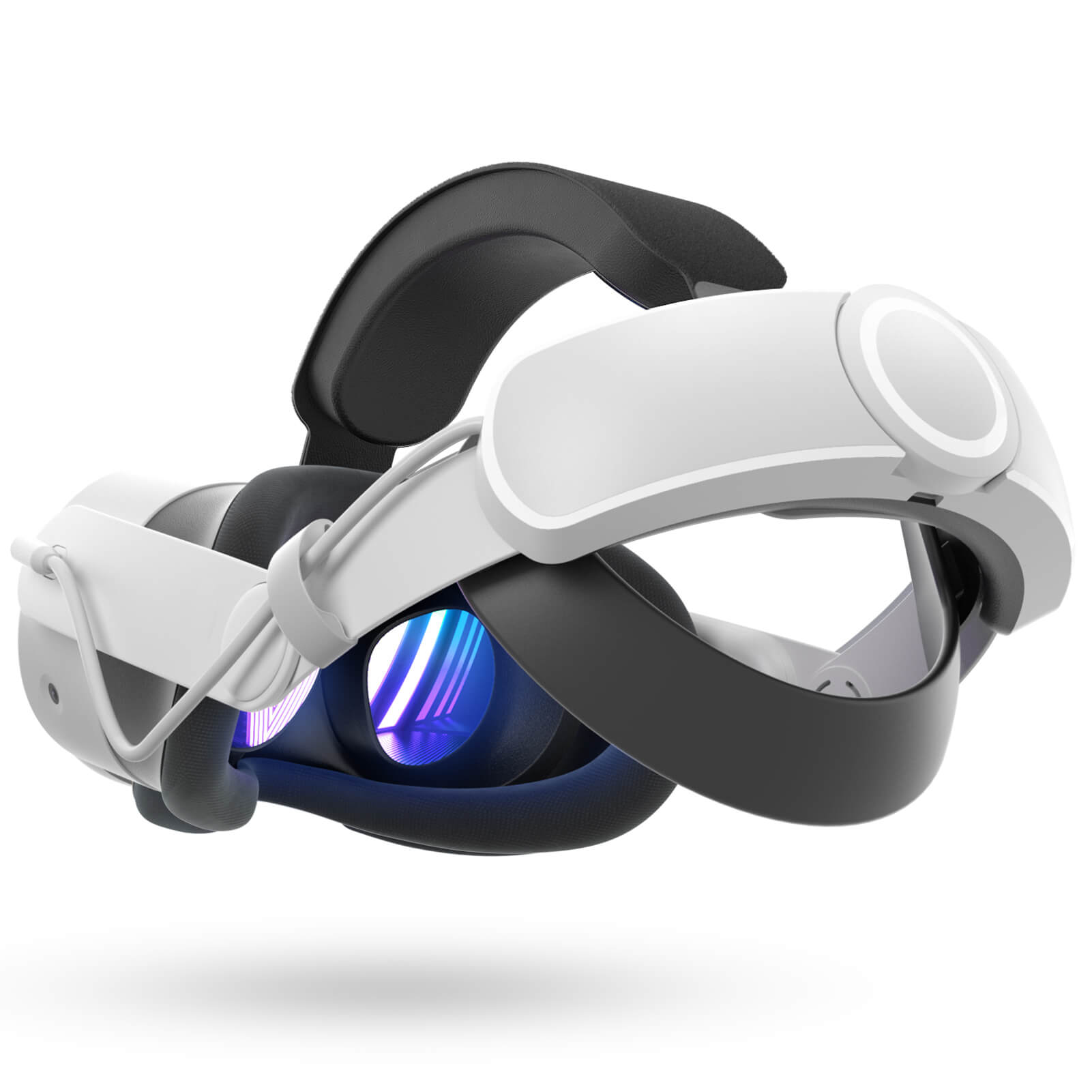
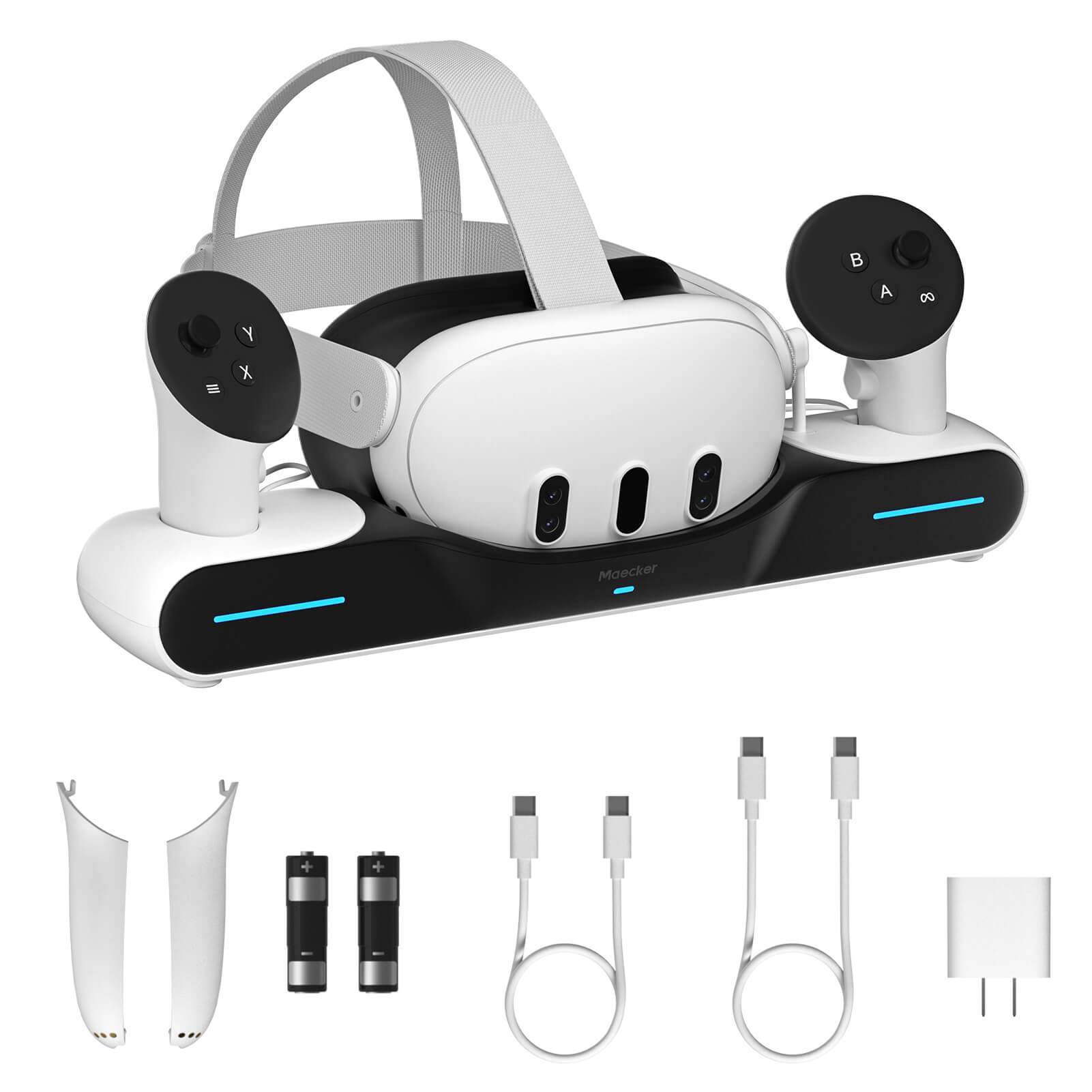
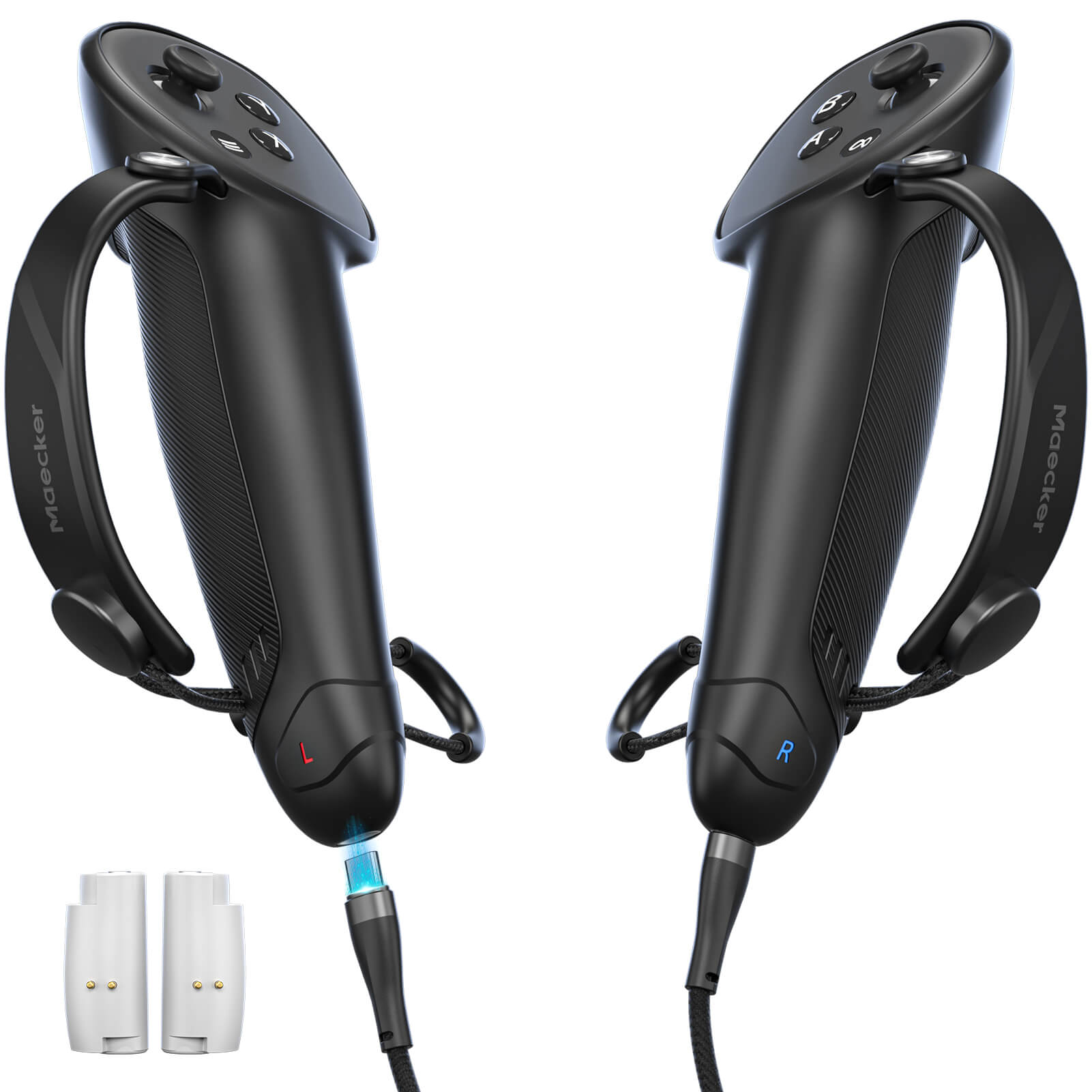
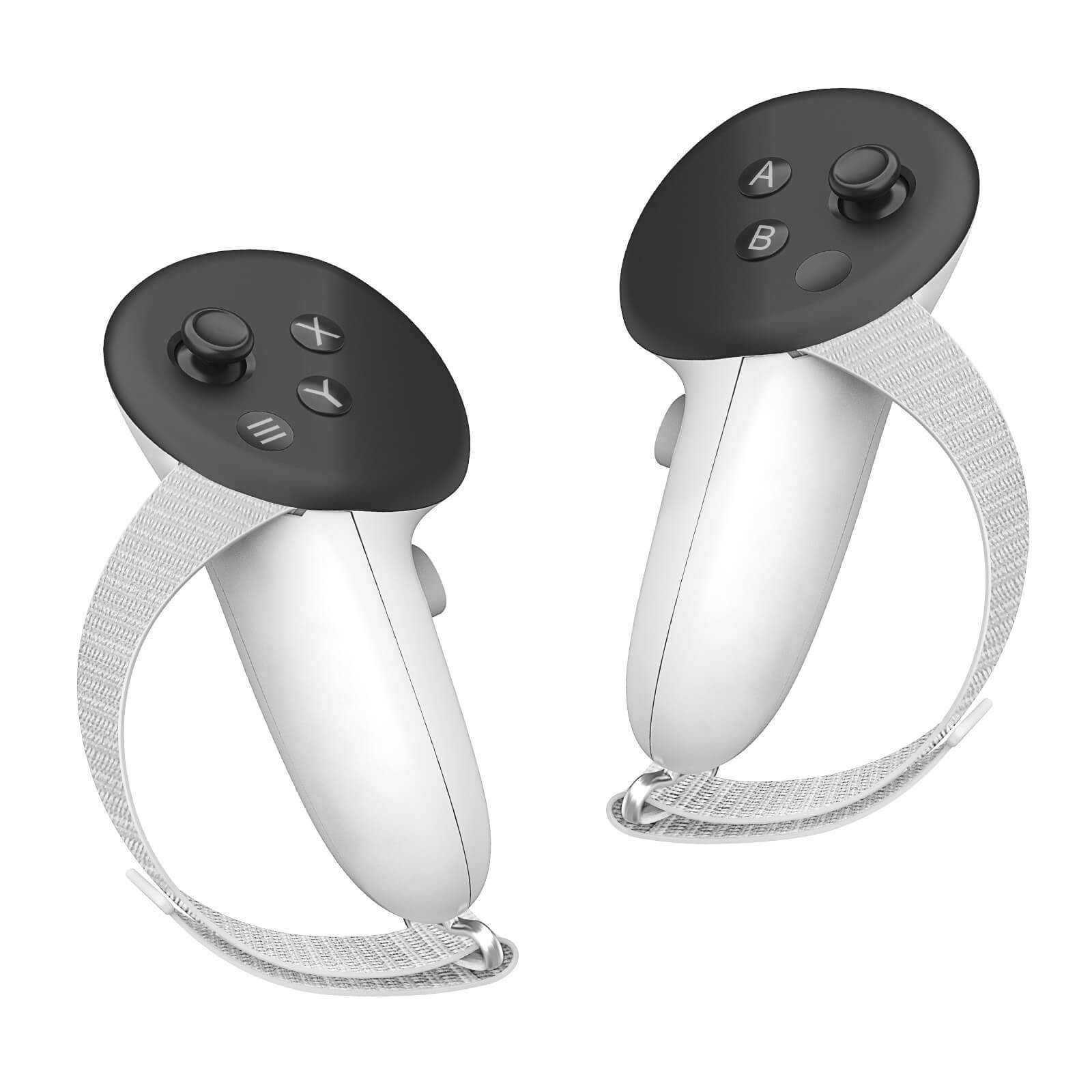
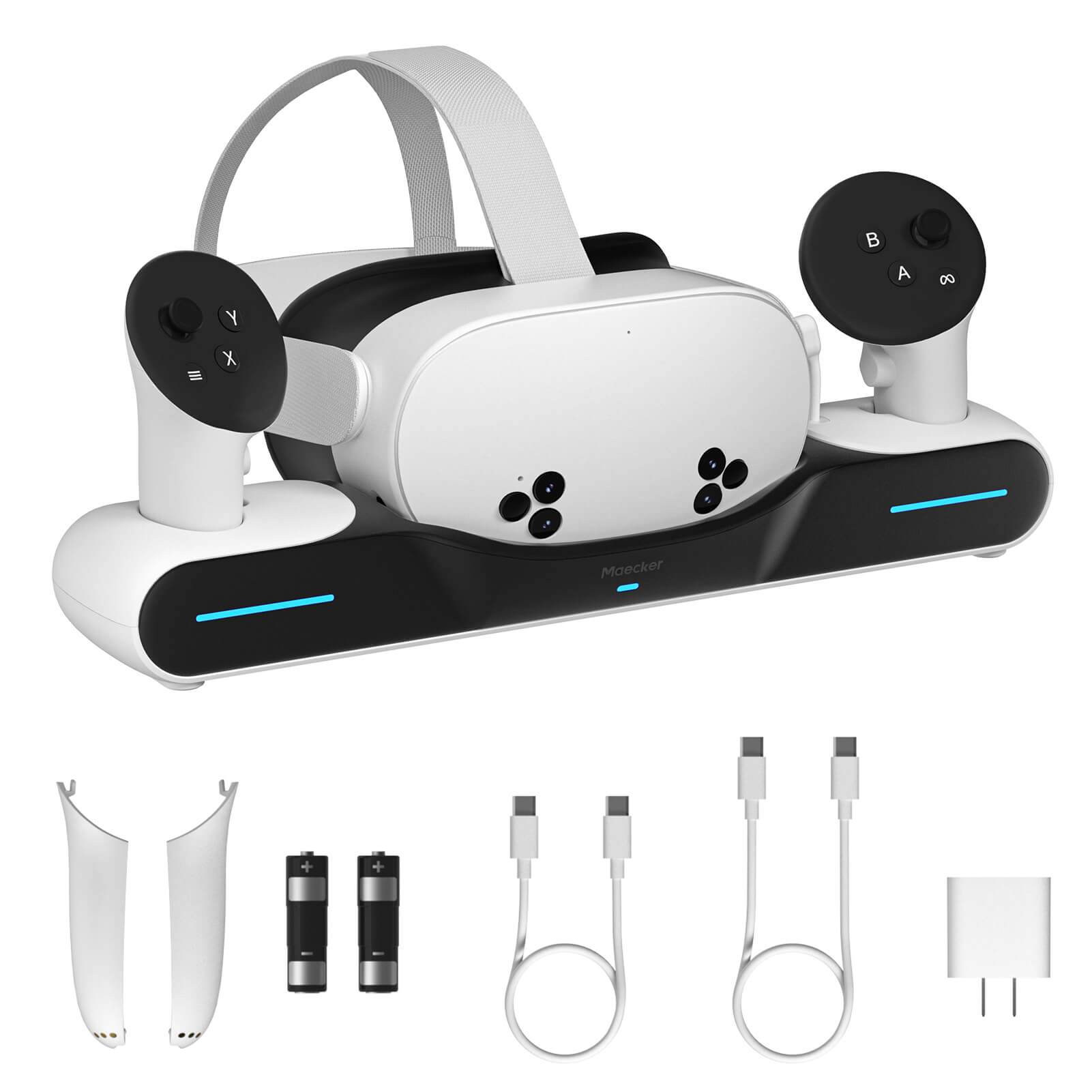
Hardware quality plays a major role in tactical VR performance. Comfort, stability, and controller precision directly affect a player’s ability to execute strategies accurately.
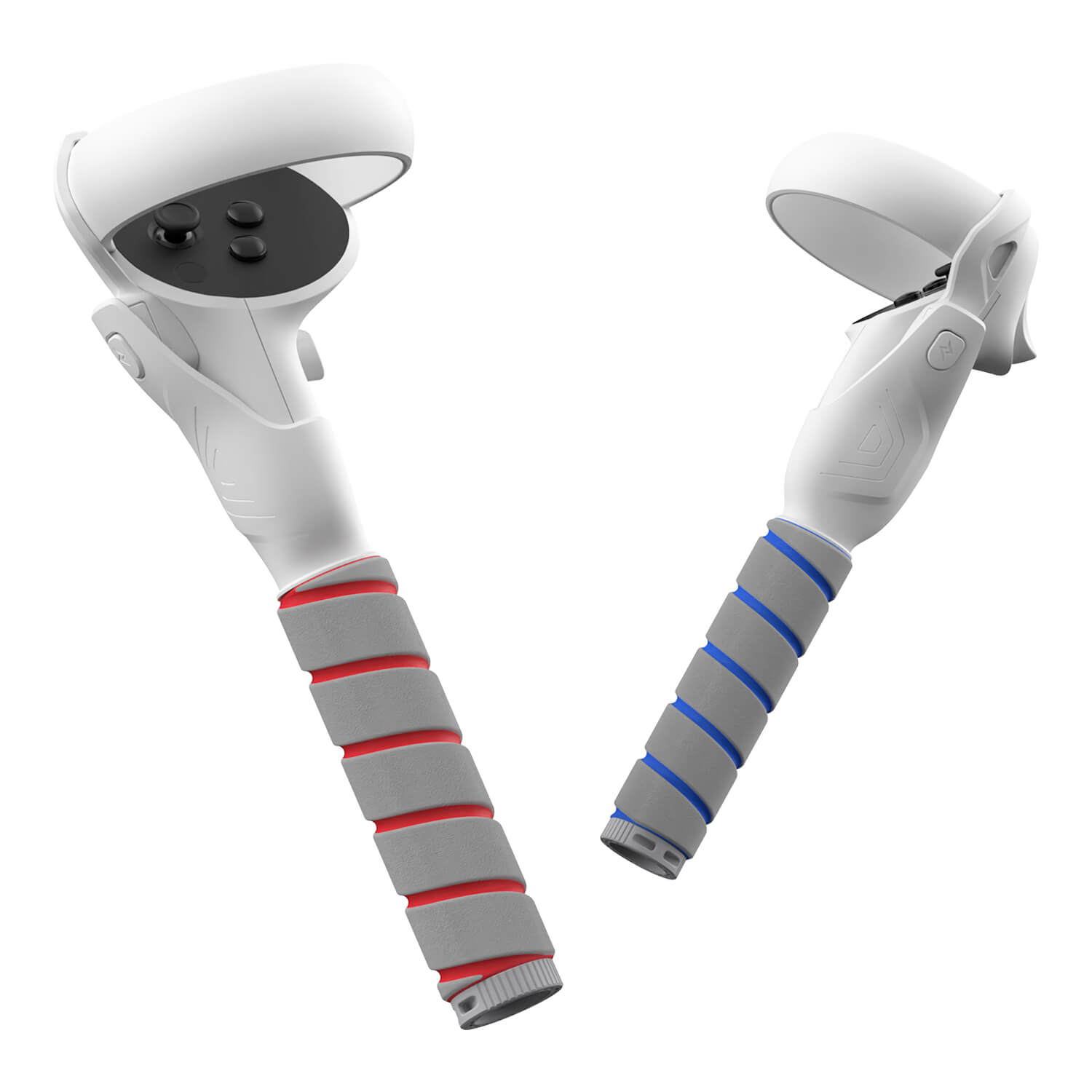
Reliable head support, secure controller grips, and stable tracking help reduce fatigue and improve reaction time—both essential in long tactical sessions where focus and consistency matter.
Why Tactical VR Games Are Gaining Popularity
Several trends are driving the growth of tactical gaming in VR:
- Increasing demand for deeper, skill-based gameplay
- Strong emphasis on teamwork and social interaction
- Improved VR hardware accessibility
- Growing interest in immersive strategy experiences
As VR technology continues to mature, tactical games are becoming one of the most compelling genres in the space.
Conclusion: The Future of Tactical Gaming in VR
Tactical gaming VR offers a unique blend of strategy, immersion, and challenge. Whether players prefer realistic military simulations, stealth-based missions, or tabletop-style strategic planning, VR provides a platform where tactics truly come to life.
As developers continue to push the boundaries of immersion and interaction, tactical VR games are set to become even more sophisticated—placing players not just in the action, but in command of it.